Dual eSIM Phones and Managing Two Lines
A dual eSIM phone can hold two active profiles at once, which means a home line and a travel plan can both be live
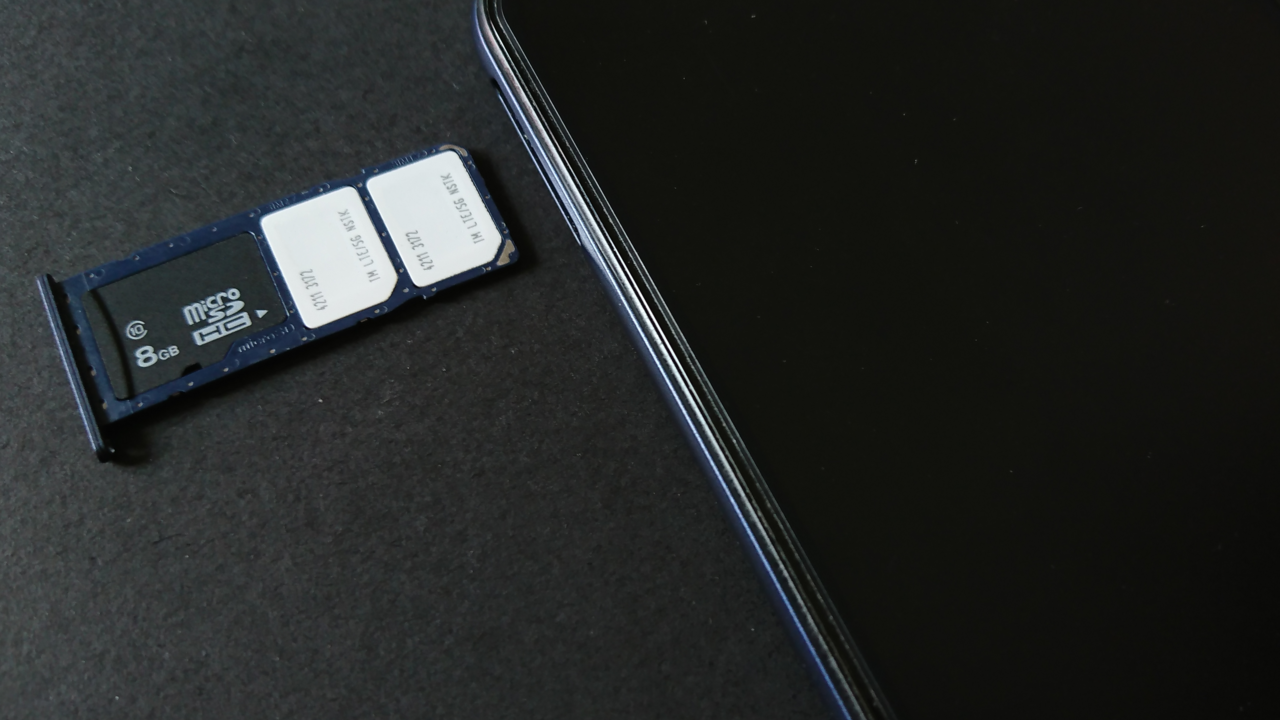
A dual eSIM phone can hold two active profiles at once, which means a home line and a travel plan can both be live without any physical card involved.
The capability is standard on recent flagships, and the settings behind it are what make the arrangement pleasant or annoying.
How many lines can be active?
Most current handsets allow two active lines, and some allow three when a physical card is included.
A smaller number of newer devices support two active eSIM profiles with no physical card at all.
Stored profiles can be far more numerous, sometimes eight or more, without affecting anything.
Only the active ones consume battery and register with a network.
The practical limit is two, which is enough for almost every travel arrangement.
Confirming the specific limit for your model avoids a surprise when adding a third line.
The settings screen will refuse the addition if the limit has been reached.
What are the two lines for?
The usual arrangement is the home line for calls and messages, and the travel plan for data.
That gives you a working local connection while keeping your existing number reachable.
A second common arrangement is one line for work and one for personal use on the same phone.
For travel, the first arrangement covers almost every situation comfortably.
Some travellers add a third line for a second destination, though only two can be active.
Deciding the roles before departure removes most of the confusion.
Lines without a clear purpose tend to cause problems at exactly the wrong moment.
Which settings actually matter?
The data line setting decides which plan pays for every megabyte, and it matters more than anything else.
The roaming toggle decides whether each line is allowed to register on a foreign network.
Automatic data switching lets the phone move data between lines and should be off when travelling.
The default voice line decides which number makes outgoing calls.
Those four settings cover the whole of dual SIM management for travel purposes.
Everything else on the screen is cosmetic or situational.
Checking all four before departure takes about a minute.
Why is automatic data switching dangerous?
It lets the phone choose whichever line has the better signal, without asking you.
At home that is genuinely useful, because both lines cost roughly the same.
Abroad it means data can quietly move to your home tariff, which may charge several times the local rate.
The switch happens invisibly, and the first indication is usually a bill.
Turning it off costs nothing and removes the risk entirely.
It is the single most valuable setting change for any international trip.
Most people who have been caught out by roaming charges can trace it to this feature.
How do you tell which line is which?
Give each line a clear name when you install or configure it.
Names like home, travel data or the country name are far more useful than line one and line two.
Most phones show the line name in the status bar or beside the signal indicator.
Where the indicator is subtle, the mobile data screen shows the active line explicitly.
Naming the lines properly saves a real amount of confusion on a trip.
It takes three seconds and remains useful for years.
The alternative is reading a settings screen at night in a foreign city and guessing.
What about calls on the travel line?
Most travel plans are data only, so the travel line cannot make or receive calls at all.
Where a plan includes voice minutes, those minutes are usually for the destination country only.
Calls placed on a travel line to another country may be charged at high international rates.
Keeping calls on the home line, or using a messaging app over data, is usually the cheaper approach.
Checking what the plan includes before relying on it for voice prevents a surprise.
Data only is the norm, and it simplifies the arrangement considerably.
Where voice is included, treat it as a bonus rather than a primary function.
Can you have two travel plans active?
Yes, if the phone supports two active eSIM profiles, though this is unusual to need.
The situation arises when one country is outside the coverage of a regional plan.
In that case both plans stay installed, and you switch the active line at the appropriate moment.
Leaving both enabled the whole time risks data landing on the wrong one.
Switching deliberately at the border is the cleaner approach.
Two travel plans on one phone is workable and occasionally the best available option.
It requires slightly more attention than a single plan, which is worth knowing in advance.
What about battery life with two lines?
Two active lines do consume more than one, particularly in weak signal areas.
The difference is modest in good coverage and noticeable in poor coverage.
Turning off a line you are not using saves more battery than almost any other setting.
In a rural area with a weak signal, switching off the home line can meaningfully extend the day.
Where the home line is needed for codes, keep it on and accept the small cost.
Balancing those two priorities is a matter of judgement rather than a fixed rule.
Most travellers keep both active and never think about it again.
What if the phone only takes one eSIM?
Older dual-capable phones sometimes allow only one active profile plus a physical card.
In that case the physical slot carries the home line and the eSIM carries the travel plan.
The arrangement works identically from a settings perspective.
Where only one line is possible at all, the choice becomes a genuine trade-off.
Most travellers in that situation keep the home line in the slot and use Wi-Fi when needed.
Checking the capability before buying any plan is the sensible precaution.
The settings screen states the limit clearly, or refuses the addition when reached.
How do you hand over a line temporarily?
A physical card can be removed and handed to someone else in seconds.
An eSIM cannot be moved without a reissue from the provider, which takes time.
That asymmetry is worth remembering when travelling with someone who might need a connection.
Where sharing is likely, keeping the travel plan on a physical card is more flexible.
Where it is not, the eSIM arrangement is faster and cleaner in every respect.
Choosing based on that single consideration is entirely reasonable.
It is one of the few genuine advantages a plastic card still holds.
What happens if both lines have data?
Where two lines both carry data, the phone uses whichever one you designated as preferred, and it will not silently switch unless automatic data switching is enabled.
Leaving both lines with data enabled is harmless provided the preferred line is set correctly and automatic switching is off, since the second line then simply sits idle.
That configuration is worth confirming anyway, because it takes seconds and removes the only realistic way for data to be billed to the wrong plan.
So what is the ideal arrangement?
One active travel plan for data, plus the home line active for calls and verification codes.
Clear names on both, roaming on for the travel line and off for the home line.
Automatic data switching disabled, and the travel line set as the preferred option for data.
Both plans installed before departure, with the unused one switched off during the trip.
That configuration covers almost every travel scenario without further adjustment.
Set it once and the phone simply behaves as it should for the whole trip.
The rest of the settings screen can be safely ignored.