eSIM or Physical SIM: Which One Belongs in Your Phone
A physical SIM is a removable chip that identifies you to a mobile network, while an eSIM is the same identity delivered as a
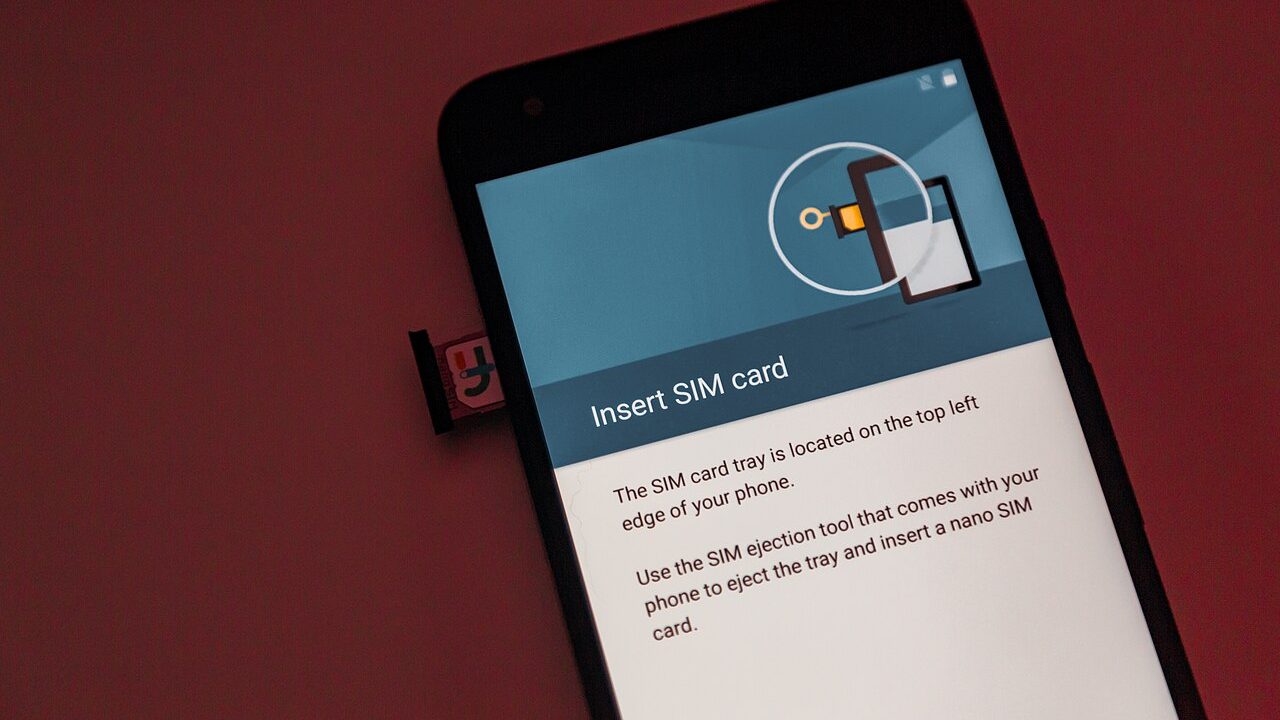
A physical SIM is a removable chip that identifies you to a mobile network, while an eSIM is the same identity delivered as a downloadable profile.
The choice between them is less about technology than about how long you will stay, how many countries you will cross and how attached you are to your home number.
What does each one actually do?
Both do exactly the same job: they prove to the network that the phone is allowed to use it.
The network sees a subscriber identity either way, and the authentication behind it is identical.
Nothing about call quality, data speed or coverage changes because of which form the identity takes.
So the decision comes down to convenience, cost and the shape of your trip.
Which is faster to get working?
An eSIM wins on the first ten minutes, because the profile arrives by email or app and installs in a couple of taps.
A physical SIM usually requires a shop, a queue and an identity document, which can easily consume an hour.
At an airport counter during a late arrival, that hour is the difference between a working map and a blank screen.
If you land somewhere with no queue and no language barrier, the gap narrows to almost nothing.
Which one is cheaper?
Local prepaid cards are often the cheapest option for a single country and a stay measured in weeks.
Travel eSIM plans beat roaming by a wide margin and beat local cards whenever you cross several borders.
The reason is that a regional eSIM buys wholesale access to many networks at once, spreading the cost across countries.
For a two-week trip through three countries, stacking three local cards rarely wins on price.
What about keeping your own number?
This is where the eSIM arrangement has a clear structural advantage, because it leaves the tray free.
Your home card stays where it is, receiving bank codes and calls while the travel plan handles data.
With a physical travel card you have to choose which one occupies the slot, and you will pick wrong at some point.
Keeping both live is the single most useful thing a dual-capable phone gives a traveller.
Which handles multiple countries better?
A physical card is tied to one network in one country unless you buy roaming from that network, which is expensive.
An eSIM plan can list a dozen countries and switch networks automatically as you move between them.
That automatic handover is invisible when it works, and infuriating when a country quietly drops off the list.
Reading the coverage list before you buy matters more than the headline price on either option.
What if you need a local phone number?
Some restaurants, delivery apps and rental desks still want a number they can call or text.
Physical local SIMs come with one, which makes them convenient for anything that requires a callback.
Most travel eSIM plans are data only, so a local number means either a voice-capable plan or a second card.
If a number is genuinely needed, check for it explicitly rather than assuming it is included.
Which is easier to reuse?
A physical card from last year is probably dead, either expired or cancelled for inactivity.
An eSIM plan can sometimes be topped up and reused on the next trip, which is convenient when it is offered.
Many plans are strictly single-use, though, and reissuing means buying again at the current price.
Read the top-up terms, because the word reusable appears far less often than people expect.
What about device support?
Physical SIMs work in every phone ever made, which is why the tray will survive for a long while yet.
eSIM support is broad on flagships from the last five years but patchy on budget models and older devices.
Some regional variants of the same model differ, so the model number matters as much as the model name.
Two minutes with the manufacturer’s specification page settles the question faster than a forum thread.
Which is better for a long stay?
For months in one place, a local physical plan with a monthly tariff is usually the sane choice.
Long-stay eSIM tariffs exist but are often priced for visitors rather than residents.
A physical card also survives a phone replacement without reissue, which matters over a year.
The longer the stay, the more the physical option stops looking old-fashioned.
Which is better for a short trip?
For a week or two, an eSIM is faster, cleaner and usually cheaper than anything involving a shop.
There is nothing to lose, because a lost profile can be deleted and reinstalled from anywhere.
There is nothing to queue for, which after a long flight is worth a surprising amount.
Short trips are exactly the case the technology was built for, and it shows.
Can you use both at the same time?
Most dual-capable phones let you keep the home line for calls and the travel plan for data.
You choose per line whether it carries data, and you choose which line makes outgoing calls by default.
Getting that configuration wrong is the usual cause of a shockingly large bill on the first day.
Set it deliberately before takeoff rather than trusting the phone to guess your intent.
Which one survives a lost or broken phone?
A physical card can be moved to a spare handset in about thirty seconds with no help from anyone.
An eSIM needs the provider to reissue the profile, which may take minutes or hours depending on their support hours.
That asymmetry matters most on a long trip with a single device and no backup phone in the bag.
A cheap second handset that takes a physical card is a genuinely useful insurance policy for remote travel.
Where a spare is not practical, keep the provider’s support channel saved offline before you leave.
What does a plan cost you over a year?
Someone travelling four times a year for two weeks each time will spend less on travel plans than on roaming.
Someone living abroad for a year will almost certainly spend less on a local monthly contract.
The break-even point sits somewhere around two to three months, depending on how often you cross a border.
Adding up a year rather than a single trip makes the comparison far less mysterious than it first appears.
Run that sum once, and the choice stops needing to be revisited before every departure.
It also reveals whether the plan you like is genuinely good value or merely cheap for one specific trip.
Most people find the answer is closer than they expected, which is itself a useful thing to know.
Whatever the arithmetic says, the plan you will actually use is the one that works on the networks you need when the plane door opens.
Decide that part first and the paperwork takes care of itself.
What should decide it for you?
Count the countries, count the weeks and ask whether you need a local number for anything.
If the answer involves more than one country or fewer than three weeks, the eSIM is usually ahead.
If it involves a single country and a long stay, buy the local card and keep the tray occupied.
Either way the phone works, and only the paperwork changes.