What an eSIM Is and Why There Is No Plastic Card Anymore
An eSIM is a subscriber identity module that lives as software inside your phone rather than as a chip punched out of a plastic
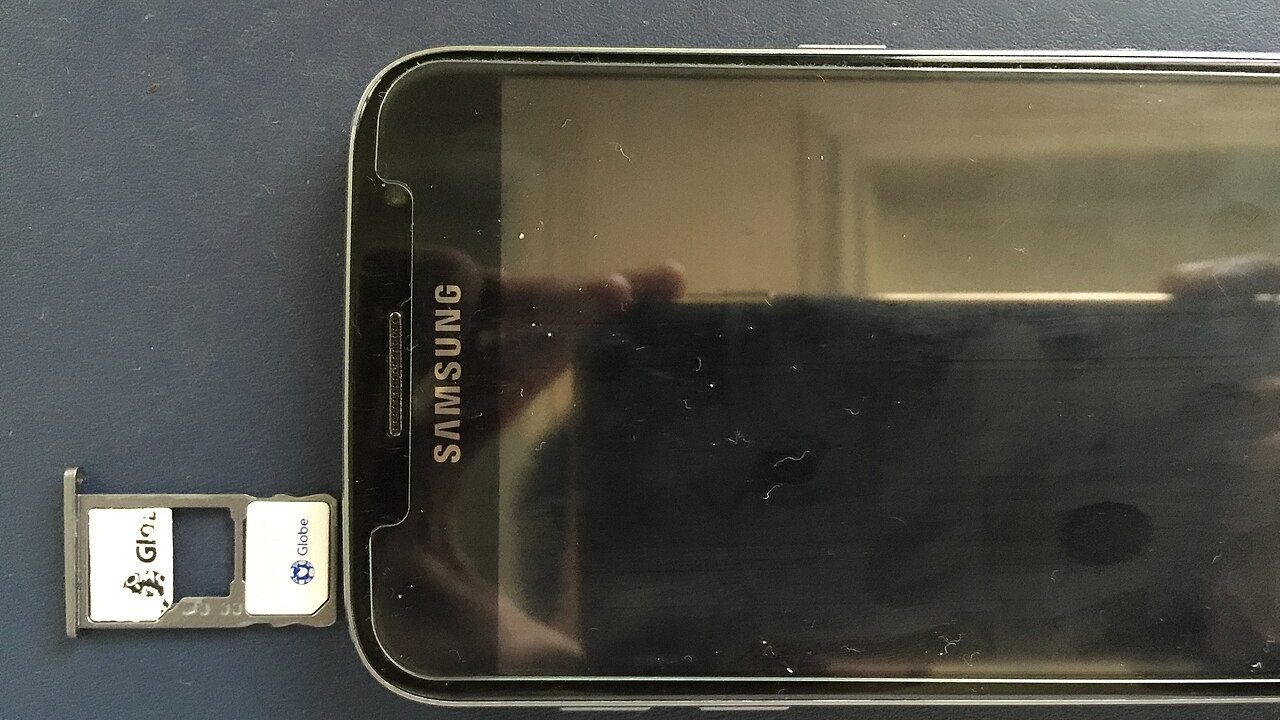
An eSIM is a subscriber identity module that lives as software inside your phone rather than as a chip punched out of a plastic card.
The name is short for embedded SIM, and the word embedded carries most of the meaning, because the module is fixed to the handset and never leaves it.
So where does the module actually sit?
Inside every eSIM-capable phone there is a small dedicated chip soldered to the main board beside the other radios.
That chip belongs to no network, and it carries no subscriber details when the handset leaves the factory.
What it does carry is a secure element that can hold several subscriber profiles at the same time, like a wallet with a few cards in it.
A profile is the digital equivalent of the plastic card you used to push into a tray, down to the authentication keys it contains.
Why did phone makers take the tray away?
The tray and its mechanism occupy space, and space inside a modern handset is the scarcest thing a designer has.
Removing the slot also removes a hole in the frame, which is one fewer place for water to find a way in.
Carriers benefit because they no longer print, ship and store millions of small cards that get lost in transit.
Travellers benefit because a plan can be bought at midnight and installed before the coffee is finished.
What can an eSIM do that a plastic card cannot?
It can hold more than one identity at once, so a work line and a travel line can both be present in the same phone.
It can be issued in seconds over the internet without anyone touching a physical object.
It can be deleted and reinstalled, which is not something you can do with a card you have snapped in half.
It can be switched between lines from a settings menu rather than by opening a tray with a bent paperclip.
Is the phone number still the same?
With a travel data plan, usually there is no phone number at all, and that is by design rather than a fault.
With a carrier eSIM, the number is whatever the carrier assigns to that profile, exactly as it would be for a plastic card.
Your existing number does not move when you add a second profile, because the two identities sit side by side.
That separation is why most people keep their home line in place and simply add a plan for data abroad.
How many profiles can one phone hold?
Most current handsets store eight or more profiles, though only one or two can be active at any moment.
Storing is not the same as running, and a dormant profile uses no network capacity and no battery worth measuring.
Practical limits come from the handset firmware rather than the chip, so two active lines is the usual ceiling on a phone.
If you travel often, keeping an old plan installed and inactive costs nothing and saves a download later.
What happens when you change phones?
An eSIM is tied to the handset, so a new phone needs the profile issued again rather than moved across.
Most providers allow a reissue, sometimes free and sometimes for a small fee, and the old profile stops working.
Because the profile is tied to hardware, selling a phone means deleting the profiles first, the same way you would remove a card.
It is worth confirming the reissue policy before buying a plan you intend to use across two devices.
Can you move an eSIM to a different network?
No, and this surprises people who are used to swapping a card into another handset on a different carrier.
A profile is issued by one provider and carries that provider’s credentials, so it only works with that provider.
Changing network means deleting the profile and installing a new one from whoever you are moving to.
That is a two-minute job when it works, but it does mean you cannot carry unused data from one provider to another.
Does an eSIM use more battery?
The honest answer is that the difference is small enough that most people never notice it.
A phone with two active lines does scan and maintain two registrations, which costs something in the background.
In practice the screen, the radio conditions and the applications you run dominate the battery drain by a wide margin.
If you are worried about a long day away from a charger, turning off the line you are not using saves more than any other setting.
What does an eSIM cost?
The profile itself is normally free, and what you pay for is the data, voice or messaging attached to it.
A travel plan might cost a few dollars for a week of light use, or tens of dollars for a month of heavy use.
A carrier eSIM usually costs the same as a physical SIM on the same tariff, because the network does not care about the packaging.
Where prices differ, the difference comes from the retail channel rather than from the technology.
Why do some carriers still refuse eSIM?
Supporting eSIM means running provisioning systems that many smaller operators have not built yet.
Some carriers also worry that easy plan switching makes customers quicker to leave, so they slow the rollout deliberately.
The picture varies enormously by country, and a plan that works instantly in one market may be unavailable in the next.
Checking support before you commit is faster than discovering the problem on the airport bus.
What should you check before switching?
Confirm the handset is carrier unlocked, because a locked phone will refuse to accept any profile from anyone.
Check the model against the manufacturer’s own list rather than a retailer’s short list, since regional variants differ.
Decide in advance which line will carry data, because getting that wrong is the most common first-day mistake.
Write down the activation details somewhere you can reach without a working data connection.
Is an eSIM harder to troubleshoot?
It is neither easier nor harder once you know which screen holds the settings you need.
The main difference is that you cannot take the profile out and look at it, so you rely on what the phone reports.
That makes a restart the first move rather than the last, since it re-reads the stored profile cleanly.
Support agents can see the plan on their side, so a chat with the provider is usually quicker than guessing.
Everything else, from signal strength to band support, behaves exactly as it did with a plastic card.
Will the tray come back?
No, and the direction of travel is now one-way for flagship handsets in most markets.
Regulators in some regions require an accessible physical slot, which is why the two coexist today.
Budget models will keep the tray longest, because supporting eSIM costs money the manufacturer would rather not spend.
For everyone else, the slot survives mainly for the convenience of a local prepaid card on a long stay.
Treat the presence of a tray as a bonus rather than a guarantee, and you will not be caught out.
Where does that leave the plastic card?
It is not gone, and for a long stay in one country a local prepaid card is still the simplest thing to buy.
Older handsets will keep the slot for years, and plenty of people prefer an object they can see and hold.
The tray is becoming a feature you check rather than one you assume, which is the real shift here.
Pick whichever fits the trip in front of you, and the technology stops being interesting.